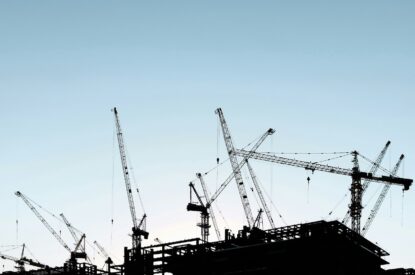
The construction industry is cyclical, and cycles tend to follow a predictable pattern. First, boom times lead to expansion. Next, expansion reaches a peak. This inevitably is followed by a contraction, which in turn is followed by a bottoming out.
The bipartisan infrastructure bill has placed a wealth of jobs in the pipeline, and many regions of the country are and will be going through a peak phase for the coming year or so. Smart firms are using this time to position themselves for the transition that will come as projects from this once-in-a-generation piece of legislation wind down and a contraction begins.
How can your firm prepare for growth once the spending slows? A formal strategic plan can help you determine the steps you need to take today to adapt to market conditions that may surface two to five years from now.
While laying the foundation of your strategic plan, you and your leadership team should evaluate steps that could be taken in the following areas:
1
Investment in Innovation.
Boom years are the time when it is both prudent and easiest to make an investment in innovations and technologies that will help you reduce costs and improve efficiencies. In addition to having access to the necessary capital, you will also be able to recoup costs faster due to a brisk workload. The investment made today will help you become more competitive on the road ahead.
2
Strategic Alliances and Acquisitions.
When the economy slows, there are two types of companies: those who are positioned to make acquisitions and those who are ready – or need – to sell. By having a clear strategic vision of where your company is going, you’ll be able to spot prime prospects for alliances and acquisitions.
3
Risk Assessment and Contingency Planning.
A strategic plan that includes metrics for growth and new business can help you see further down the project pipeline. This, in turn, can also help you detect potential risks early, and plan a course of action rather than simply hoping for the best.
4
Strengthening Customer Relationships.
While projects will vary in size, scope and location in the years ahead, the relationships you form today could last decades. Forward-thinking companies will invest in the manpower, solutions and capabilities it takes to build strong, long-lasting client relationships.
5
Financial Checks and Balances.
Boom years aren’t just the best time to set aside cash reserves, they’re also the best time to put proper processes in place to track and predict cashflow. Clear and accurate financial projections provide better support for the decisions you make, and let you forge ahead with greater confidence.
6
Expanding Market Share.
It’s simple math: when work slows down, your focus should shift to market share. Whether this is done through expanding your product and service offering, broadening your geographic reach or finding ways to compete more aggressively, these efforts should be a key focus of your planning.
Talk to HORNE
During boom times, it’s easy to forget about the inevitable cycles of the construction business. HORNE helps you prepare for good times and bad by developing a formal strategic plan that spells out your vision — and provides a clear roadmap of goals and objectives for the year ahead.
In addition to strategic planning, HORNE offers construction firms a comprehensive array of services to help improve profitability and performance. As a Top 30 Accounting Firm, we provide access to the tax and accounting services you need, as well as capabilities in areas like technology, people solutions, job costing, project management and more.
For more information on how HORNE can help you with strategic planning and other areas of business, contact us today.