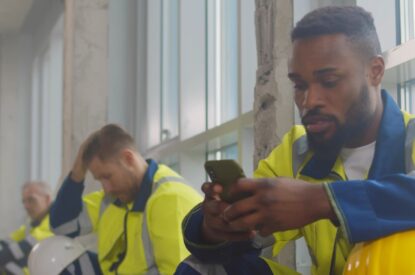
In 2025, the traditional college graduate is making a 180-degree turn related to career paths. With college costs through the roof, AI creeping into every office job, and a growing hunger for hands-on, meaningful work, more young adults are trading textbooks for toolbelts. Construction, electrical, and plumbing careers are becoming go-to options for those who want to build something real, grow a secure career, and skip debt. The shift, dubbed “Generation Toolbelt,” marks a fresh take on what success looks like and a move away from the traditional college-to-cubicle route.
The rising cost of college has become a serious roadblock for many in Gen Z, with student debt averaging around $23,000 and climbing. That kind of financial burden has a lot of young adults questioning whether a four-year degree is worth the gamble, especially when the return isn’t guaranteed. Add in the instability of white-collar fields increasingly affected by AI and automation, the promise of a stable, fulfilling career starts to feel out of reach.
That’s where the skilled trades come in, not just as a backup plan, but as a smart, forward-thinking choice. These jobs offer something traditional degrees often don’t: a clear, affordable path into the workforce. They come with competitive pay, opportunities to grow, and the kind of job security that’s getting harder to find elsewhere. But beyond the paycheck, trades also speak to what Gen Z values most: balance, purpose, and the ability to keep learning. Whether building homes, fixing complex systems, or wiring a space from scratch, trade work is hands-on, meaningful, and often more flexible than people expect. Blue-collar roles also offer a level of independent work that is typically unavailable in an office environment, where most organizations tend to be structured and include direct reports.
What’s also attracting Gen Z is the surprising level of innovation in the trades. These aren’t low-tech, outdated roles. From AI-powered tools to virtual reality training, job sites today are full of tech that makes work safer, smarter, and more efficient. It’s a natural fit for a generation raised on digital everything, and it helps bust the myth that trades are stuck in the past.
And speaking of myth-busting, social media has become a powerful tool in reshaping how young people view skilled labor. On platforms like TikTok and Instagram, tradespeople are pulling back the curtain on their day-to-day work, showing off their craftsmanship, sharing tips, and proving that these careers are just as creative, challenging, and fulfilling as any office job. These stories are helping Gen Z see the trades not just as jobs, but as legitimate, exciting career paths.
All of this is happening at a critical time. With a large chunk of the current workforce nearing retirement, industries like construction are facing serious labor shortages. Gen Z’s shift toward the trades isn’t just timely, it’s essential. Their energy, tech-savvy mindset, and values are bringing new life to industries that quite literally build the world around us.